
You eat reasonably well. You walk when you can. Yet the fat around your middle refuses to budge, while your arms and legs look the same as always.
If that sounds familiar, you may be dealing with what many people call cortisol belly. It is not an official medical diagnosis, but the idea behind it rests on real science about how stress hormones influence where the body stores fat.
The good news? Cortisol belly responds well to lifestyle changes. You do not need detox teas, extreme diets, or miracle pills. You need patience, smarter habits, and a little kindness toward yourself.
In this blog, we will look at what is happening inside your body, how to spot the signs, and six practical ways to reduce stress related belly fat naturally. Grab a cup of tea (go easy on the caffeine, we will get to that) and let’s begin.
Wait, What Exactly Is Cortisol Belly?
Cortisol is a hormone made by your adrenal glands, two small glands that sit on top of your kidneys. People call it the stress hormone, but that is a bit unfair. Cortisol does plenty of good work. It helps regulate blood sugar, keeps inflammation in check, supports blood pressure, and helps you wake up in the morning.
The trouble starts when stress becomes constant. When your brain senses a threat, whether it is a growling dog or an overflowing inbox, it triggers the release of cortisol and adrenaline. Your heart rate rises, your blood sugar goes up, and your body prepares for action.
In short bursts, that is helpful. When stress never switches off, cortisol can stay elevated for long periods. That is where cortisol belly enters the picture.
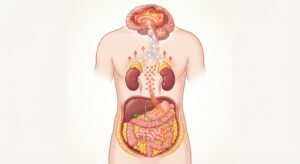
Here is the simple version:
- Ongoing stress keeps cortisol levels higher than they should be
- High cortisol can increase appetite, especially for sugary and fatty foods
- Extra energy gets stored, and a good share of it settles around the abdomen
- Fat stored deep in the belly is called visceral fat
So cortisol belly is simply a popular name for extra abdominal fat linked with long term stress and the habits and hormone changes that come with it.
Why Stress Fat Loves Your Middle
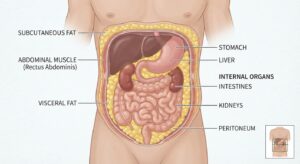
Not all body fat behaves the same way. The soft layer you can pinch is subcutaneous fat. Visceral fat sits deeper, wrapped around organs like the liver and intestines.
Research suggests that visceral fat tissue contains more cortisol receptors than fat stored elsewhere. That is one reason scientists think stress hormones may encourage fat to settle around the abdomen. A well known Yale study published in the journal Psychosomatic Medicine in 2000 found that women with more central body fat produced more cortisol when exposed to stress in the lab.
Cortisol also changes behavior. When stress is high, many people eat more, move less, and sleep badly. Each of these habits nudges fat gain in the same direction.
This matters beyond appearance. Excess visceral fat is associated with a higher risk of type 2 diabetes, heart disease, and other metabolic problems. So tackling cortisol belly is about long term health, not just fitting into your old jeans.
According to the Mayo Clinic, long term activation of the stress response can raise the risk of problems like anxiety, sleep trouble, digestive issues, weight gain, and heart disease. Reference: https://www.mayoclinic.org/healthy-lifestyle/stress-management/in-depth/stress/art-20046037
6 Warning Signs of Cortisol Belly You Shouldn’t Ignore
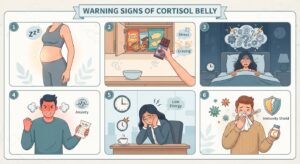
Here are six signs that often travel together. No single one proves anything, but a pattern deserves your attention.
1. Your waist grows while the rest of you stays the same. Weight gathers around the midsection, even when your arms and legs stay lean.
2. Stress sends you straight to the snack cupboard. You crave chips, chocolate, or fast food when life gets heavy, and it has little to do with real hunger.
3. You feel tired but wired. You drag through the day, then lie awake at night with a racing mind.
4. Your mood is on edge. Small things irritate you, and a low hum of anxiety follows you around.
5. Your energy crashes in the afternoon. You lean on sugar or caffeine just to get through the day.
6. You catch every bug going around. Long term stress may weaken immune function, so colds linger and recovery feels slow.
A quick note on safety. Cortisol belly from everyday stress is different from Cushing syndrome, a medical condition where the body has too much cortisol for a long time. Warning signs include a rounded face, purple stretch marks, easy bruising, muscle weakness, and fat between the shoulders. If those sound like you, see a doctor instead of guessing.
Way 1: Sleep Like It’s Your Job (Because It Kind of Is)
Sleep is where your body resets its stress system. When you do not get enough, cortisol tends to run higher the next day, hunger hormones fall out of balance, and your willpower takes a nosedive. Poor sleep is one of the quickest ways to feed cortisol belly.
Most adults need at least seven hours a night, according to sleep medicine experts. If you are getting five or six, this is the first place to work.
Try these simple habits:
- Keep a fixed bedtime and wake up time, even on weekends
- Switch off screens 45 to 60 minutes before bed
- Keep your bedroom cool, dark, and quiet
- Avoid heavy meals late at night
- Write tomorrow’s to do list before bed so your mind can let go
Protecting your sleep is the cheapest cortisol belly strategy there is. It costs nothing, and it quietly improves every other habit on this list.
Way 2: Eat to Calm Your Blood Sugar
When your blood sugar swings up and down, your body reads it as another small stress. A steady plate keeps things calmer, and it also keeps cravings under control. Building a cortisol belly friendly plate is simpler than it sounds.
Focus on these foods:
- Protein at every meal: eggs, lentils, fish, chicken, yogurt, beans
- Fiber rich foods: oats, vegetables, fruit, chickpeas, whole grains
- Healthy fats: nuts, olive oil, seeds, and oily fish like salmon
- Magnesium rich foods: leafy greens, almonds, pumpkin seeds
- Plenty of water through the day, since mild dehydration can make you feel more tired and stressed
Go slower on sugary drinks, pastries, and highly processed snacks. You do not have to ban them forever. Just let them be an occasional guest, not a permanent resident.
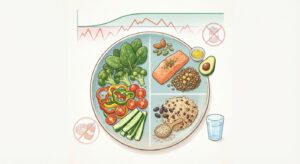
Also, do not skip meals in the hope of saving calories. Long gaps often lead to overeating later, and that rollercoaster is exactly what makes cortisol belly harder to shift.
A practical tip: build each meal around protein first, add a fiber source, then fill the rest of the plate with colorful vegetables. You will feel full longer and avoid the crash that sends you hunting for biscuits at 4 pm.
Way 3: Move Smart, Not Just Hard
Exercise is a double edged sword when you are fighting cortisol belly. Moderate activity lowers stress over time and improves how your body responds to insulin. But very intense workouts every single day, with no rest, can keep stress hormones high.
Health guidelines suggest about 150 minutes of moderate activity each week, plus muscle strengthening exercises on two days. That is a very achievable target.
A balanced week might look like this:
- Brisk walking for 30 minutes on most days
- Strength training two or three times a week, using bodyweight squats, push ups, resistance bands, or dumbbells
- One or two gentle sessions of yoga or stretching
- At least one full rest day
Walking after meals is a small habit with a big payoff. It helps manage blood sugar and gives your mind a break from screens and worries.
Strength training deserves special mention. Muscle uses more energy than fat, even at rest, so building it supports fat loss in the long run. You do not need a fancy gym. A pair of dumbbells or a resistance band at home is enough to begin.
Way 4: Train Your Nervous System to Chill
Your body cannot easily tell the difference between a real danger and a stressful thought. Calming practices send a signal that the threat has passed, which helps your body recover from the effects of cortisol belly over time.
Research on mindfulness shows it can reduce perceived stress, and some studies also point to lower cortisol levels, although results vary from person to person.

Pick one or two of these and stick with them:
- Box breathing: inhale for four seconds, hold for four, exhale for four, hold for four
- Meditation or prayer: ten quiet minutes can reset a heavy day
- Time in nature: a short walk in a park or garden works well
- Gentle yoga or stretching: especially before bed
- Journaling: write three lines about what is bothering you and let it go
Even five minutes a day counts. Think of it as brushing your teeth for your nervous system. Consistency beats intensity, especially for cortisol belly.
Way 5: Rethink Your Coffee and Wine Habits
Caffeine can temporarily raise cortisol, and the effect is stronger when you are already stressed or sleep deprived. Alcohol may feel relaxing in the moment, yet it disrupts deep sleep and adds empty calories. If cortisol belly is your concern, both deserve a closer look.
You do not have to quit coffee. For most healthy adults, up to 400 mg of caffeine a day is considered safe by the US Food and Drug Administration, which is roughly four cups of brewed coffee. The key is timing and balance.
Simple swaps that help:
- Stop caffeine by early afternoon so it does not steal your sleep
- Have your coffee with or after breakfast, not on an empty stomach
- Replace one cup with green tea, herbal tea, or plain water
- Keep alcohol occasional, and avoid it close to bedtime
If you rely on five cups of tea or coffee to survive the day, that is usually a sign that sleep, food, or stress needs attention first.
Way 6: Build a Life That Feels Less Like a Fire Drill
You can eat perfectly and still struggle if your life feels like a permanent emergency. Long term relief from cortisol belly needs a calmer lifestyle, not only a better diet.
Small changes to your daily rhythm can make a real difference:
- Say no more often. Boundaries protect your energy
- Spend time with people who make you laugh. Strong social support is linked with lower stress
- Take real breaks from your phone and the news
- Do something you enjoy just for fun, with no goal attached
- Consider counseling or therapy if stress feels too heavy to carry alone
Asking for help is not weakness. It is one of the smartest tools for managing stress. Stress management is the foundation of any plan for cortisol belly, and everything else builds on it.
Stress Fat Myths You Can Stop Believing
The internet is full of confident claims. Let’s clear up a few.
- Myth: You can burn belly fat by doing endless sit ups. Fact: Your body decides where fat comes off, and no single exercise can target one area.
- Myth: Cortisol is the villain. Fact: You cannot live without it. The problem is chronic elevation, not the hormone itself.
- Myth: Eating less is the only answer. Fact: Sleep, stress, movement, and food quality all play a part.
- Myth: Detox teas flush out stress fat. Fact: There is no solid evidence for this, and some products contain strong laxatives.
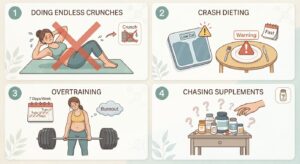
4 Mistakes That Keep Cortisol Belly Stubborn
Even people with great intentions get stuck. Watch out for these traps:
- Doing endless crunches. Spot reduction is a myth. No ab exercise can melt cortisol belly on its own.
- Crash dieting. Very low calorie diets are stressful for the body and can raise cortisol, which may make cortisol belly harder to shift.
- Overtraining. Training hard seven days a week without rest keeps your stress system switched on.
- Chasing supplements. Many products promise to block cortisol. Most have weak evidence, and some are unsafe. Speak to a doctor before trying any.
How Long Will It Take?
Honestly, it depends. Most people notice better energy and sleep within a few weeks. Visible change in cortisol belly takes longer, often a few months, because fat loss is gradual and stress habits take time to change.
Be patient with cortisol belly, and track other wins too:
- Falling asleep faster
- Fewer sugar cravings
- A calmer mood
- A looser waistband
- More steady energy through the day
These are signs your stress system is settling down, even before the scale moves.
When to See a Doctor
Lifestyle changes are powerful, but they are not a replacement for medical care. Book an appointment if your belly fat appears suddenly, if you notice the Cushing syndrome signs mentioned earlier, or if you have high blood pressure, high blood sugar, or irregular periods.
If you suspect your cortisol belly is more than lifestyle, a doctor can run proper tests instead of leaving you to guess.
As a general guide, a waist measurement above 40 inches (102 cm) in men or 35 inches (88 cm) in women is linked with higher health risk. South Asian adults may face higher risk at lower measurements, so ask your doctor what is right for you.
A Simple Day That Fights Cortisol Belly
Here is one example of how the habits above can fit into a normal day. Adjust it to your own schedule.
- 7:00 am: Wake up, drink water, stretch for five minutes, and get some morning light
- 8:00 am: Breakfast with protein and fiber, like eggs, whole wheat toast, and fruit
- 10:30 am: Tea or coffee, and plan to finish caffeine by 2 pm
- 1:00 pm: Balanced lunch with daal, vegetables, a modest portion of rice or roti, and yogurt
- 1:45 pm: A ten minute walk
- 5:30 pm: Strength workout or a brisk walk
- 8:00 pm: Light dinner
- 9:30 pm: Screens off, slow breathing, and a quick journal entry
- 10:30 pm: Lights out
A day like this will not erase cortisol belly overnight, but repeated for weeks, it quietly changes how your body handles stress.
Final Thoughts: Your Waistline Is Not Your Enemy
Cortisol belly is a signal, not a character flaw. Your body is asking for rest, nourishment, and calm.
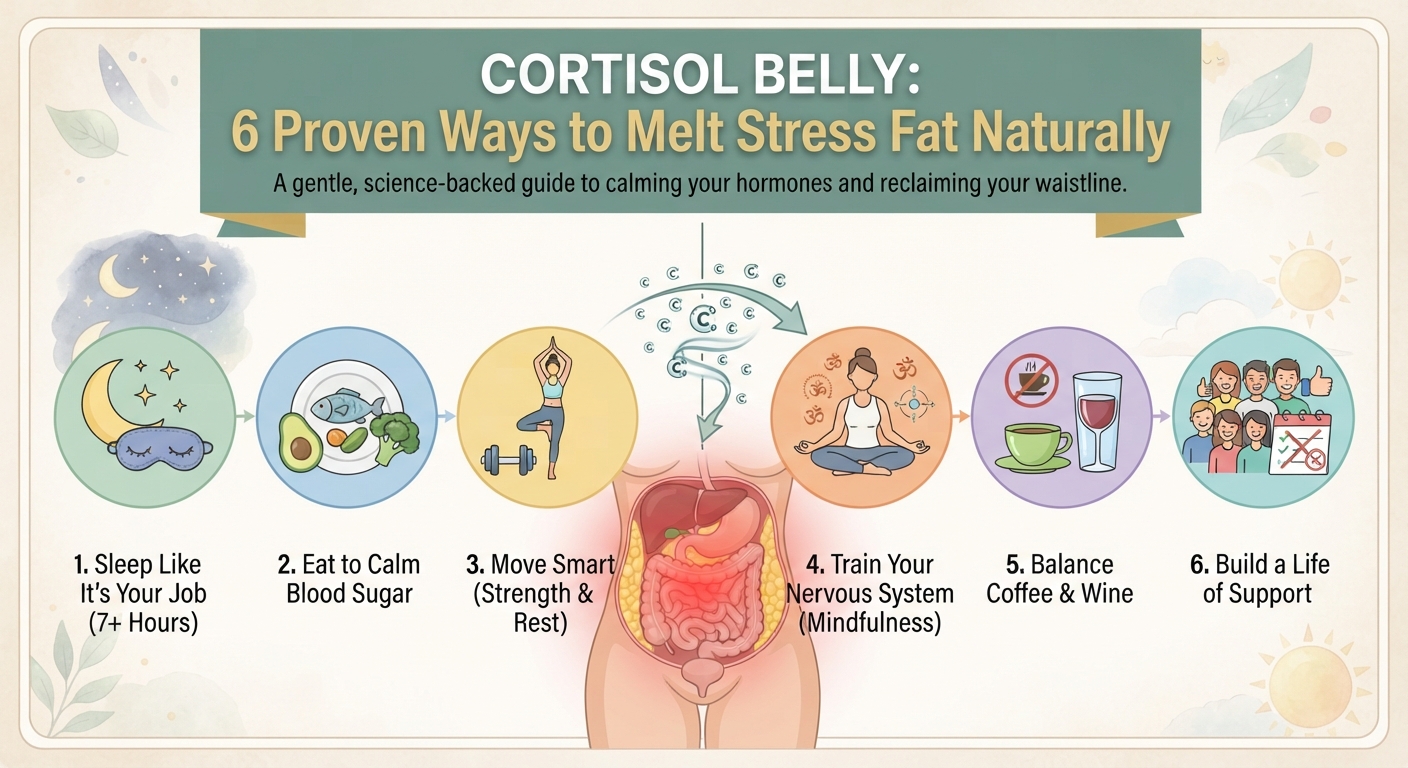
Let’s recap the six ways:
- Protect your sleep
- Eat balanced meals that steady your blood sugar
- Move your body smartly, with strength and rest
- Practice daily calming habits
- Keep caffeine and alcohol in check
- Build a life with more support and fewer fire drills
Start with one, perhaps sleep, and add another each week. That is how cortisol belly starts to shrink for real.
You do not need to be perfect. You can melt cortisol belly gently, one calmer day at a time.



