If you have been watching crypto markets lately, you already know something feels different. Bitcoin is holding strong, institutional money keeps flowing in, and yet the real excitement is quietly building somewhere else. Altcoins are waking up, and for the first time in months, traders are paying attention to what comes after Bitcoin dominance starts slipping.
This is exactly how altcoin season has always started. Not with a bang, but with a slow, deliberate rotation that most people miss until it is already well underway.
This blog breaks down everything you need to know about the current altcoin season, which coins are showing the strongest signals, how to read the market right now, and most importantly, how to position yourself before the crowd figures it out.
What Is Altcoin Season and Why Does It Keep Happening
Before jumping into specific coins, it helps to understand the mechanics behind why altcoin season exists in the first place.
Every crypto market cycle follows a somewhat predictable pattern. Bitcoin moves first. It captures headlines, attracts institutional buyers, and sets the overall sentiment for the entire market. Once Bitcoin establishes a price range and starts consolidating, traders who locked in profits begin looking for the next opportunity. That fresh capital does not sit idle. It rotates into alternative cryptocurrencies, pushing prices higher across dozens of different sectors simultaneously.
This rotation is what people call altcoin season. It is less about any single project and more about a psychological and financial shift in where money flows.
The term altcoin itself simply refers to any cryptocurrency that is not Bitcoin. From infrastructure giants like Ethereum and Solana to newer narratives around artificial intelligence tokens and real world asset tokenization, every non-Bitcoin digital asset falls into this category. The altcoin universe has expanded massively since the early days when Litecoin and Namecoin were the only options. Today there are tens of thousands of projects across every imaginable niche.
What makes altcoin season so compelling for investors is the asymmetric upside it historically delivers. While Bitcoin can certainly produce strong returns, it is simply too large and too mature to move 10x or 20x in a single cycle. Smaller altcoins carry that kind of explosive potential precisely because they are earlier stage, less liquid, and more sensitive to narrative momentum.
How Traders Actually Identify When Altcoin Season Begins
One of the most reliable tools for tracking whether altcoin season has started is the Altcoin Season Index developed by Blockchain Center. The methodology behind it is straightforward and data driven. The index compares how the top 50 altcoins perform against Bitcoin over a rolling 90 day window. When 75 percent or more of those altcoins are beating Bitcoin, the index officially calls it altcoin season. When fewer than 25 percent are outperforming, it is labeled Bitcoin season. Everything in between gets classified as a transitional or neutral phase. If you want to learn more about block chain technology then clickhttps://cyptoecoin.com/blockchain-technology-2026-ultimate-guide/
Beyond this index, traders watch several other signals when trying to time a potential altcoin season entry.
Bitcoin dominance is the big one. When Bitcoin holds more than 60 percent of total crypto market capitalization, most money is still concentrated in BTC and has not yet rotated outward. As that dominance figure starts declining toward 55 percent or below, altcoin season conditions typically strengthen. Right now Bitcoin dominance sits around 59 to 60 percent, which means the rotation is beginning but still has meaningful room to accelerate.
Market sentiment tools like the Crypto Fear and Greed Index also matter. Counterintuitively, when overall sentiment is still fearful or neutral rather than euphoric, that is often the best time to position for altcoin season. The most explosive moves tend to happen in the gap between quiet accumulation and full retail excitement.
On chain data provides another layer of confirmation. When large wallet addresses, commonly called whales, start accumulating specific altcoins during low volume periods, that activity often precedes major price moves by weeks or months. Blockchain analytics tools allow anyone to track these wallet movements in real time.
Technical analysis rounds out the picture. Moving average crossovers, Relative Strength Index readings, and Bollinger Band breakouts can signal when specific coins are transitioning from accumulation to markup phases.
Where Altcoin Season Currently Stands in May 2026
The current market environment is genuinely interesting. Total crypto market capitalization has climbed back toward 2.69 trillion dollars, reflecting renewed buying across both Bitcoin and alternative assets. Spot Bitcoin ETFs now hold over 107 billion dollars in assets, confirming that institutional participation in this cycle runs far deeper than previous ones.
At the same time, Bitcoin dominance has started edging lower from recent highs, settling into the high 50 percent range. That specific movement matters because historically it signals the beginning of capital rotation into higher beta assets.
Several altcoins have already posted double digit gains within single 24 hour windows, suggesting the early momentum phase of altcoin season may already be underway. Tokens across AI infrastructure, real world asset tokenization, Solana ecosystem projects, and enterprise blockchain plays have been among the strongest performers.
The Altcoin Season Index reading sits at a level that suggests genuine altcoin momentum without yet reaching the euphoric peak readings seen at previous cycle tops. That positioning is actually encouraging from an entry standpoint. It means the trend is confirming without being overextended.
The 7 Altcoins With the Strongest Fundamentals Right Now
Ethereum: Still the Backbone of Everything
No altcoin season conversation is complete without starting here. Ethereum remains the foundational layer underneath the majority of crypto activity. Smart contracts, decentralized finance applications, non fungible token markets, decentralized autonomous organizations, and an enormous developer ecosystem all run primarily on Ethereum.
What gives Ethereum its staying power through multiple cycles is its continuous evolution. The transition to proof of stake dramatically reduced its energy footprint and introduced staking rewards as a native yield mechanism. Layer 2 networks including Arbitrum, Optimism, Base, and various zero knowledge based rollups have expanded Ethereum’s practical usability by handling transactions at a fraction of the cost of the main chain. Spot ETH ETFs now bring traditional finance capital directly into Ethereum exposure.
If market momentum continues building, revisiting previous highs around 4,800 dollars is a realistic scenario. In a stronger expansion phase, the range above 7,000 dollars enters the conversation.
Solana: The Comeback Story That Keeps Delivering
Solana’s recovery from the FTX collapse era is one of the more remarkable narratives in recent crypto history. After falling below 10 dollars during the depths of the 2022 bear market, the network rebuilt its reputation methodically. Developers came back. Institutional interest returned. Infrastructure improved substantially.
The core competitive advantages that made Solana compelling initially, speed and very low transaction fees, remain fully intact and have actually improved. Those strengths continue drawing applications across decentralized finance, gaming, payments, and consumer facing use cases. The Alpenglow upgrade in progress is expected to push performance even further, potentially making Solana competitive with traditional payment processors on raw throughput.
From current price levels, a move toward the 300 to 400 dollar range is not unrealistic across a full cycle if adoption keeps building.
Polygon: Quietly Powering the Enterprise Layer
Polygon has transformed its identity from a basic scaling solution into genuine Ethereum infrastructure. The completed transition from MATIC to POL deepened its integration into Ethereum’s longer term roadmap. Its zkEVM technology is specifically designed for mass adoption scenarios, particularly enterprise use cases where businesses need blockchain capabilities without managing complex infrastructure.
The fact that brands like Meta, Disney, and Starbucks have run experiments on Polygon was not just marketing noise. It demonstrated where Polygon fits most naturally, as invisible but essential infrastructure powering large scale applications where end users never need to think about the underlying blockchain at all.
As Ethereum demand grows, Polygon benefits directly. Previous highs near 5 dollars remain a realistic target in a strong market environment.
Arbitrum: Dominating the Layer 2 Race
Within the Layer 2 ecosystem, Arbitrum consistently leads in actual usage metrics. Deep liquidity pools, heavy decentralized finance activity, and consistent developer contributions keep it at the top of the scaling stack. While ARB as a token is younger than many altcoin season favorites, its structural position within Ethereum scaling gives it a clear and durable role.
Layer 2 adoption is still in relatively early stages broadly speaking, which means Arbitrum has a long runway ahead. A 3x to 5x move across a full cycle is within reasonable range if the fundamentals continue holding.
Chainlink: The Underappreciated Infrastructure Play
Chainlink tends to fly under the radar during speculative phases when flashier narratives dominate attention. But oracle networks are not optional for the crypto ecosystem. Without reliable connections between blockchain smart contracts and real world data sources, decentralized finance and real world asset applications simply cannot function properly.
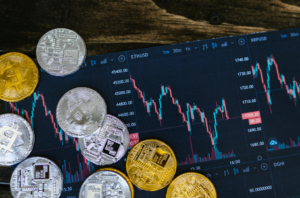
Chainlink’s expanding presence in real world asset tokenization, automation protocols, and institutional finance integrations has kept it highly relevant. Partnerships with major traditional finance institutions and cloud computing providers continue strengthening its position. When the market eventually refocuses on which projects have genuine utility and irreplaceable roles, Chainlink tends to catch attention again. Upside back toward the 50 dollar range is a reasonable scenario in a supportive environment.
Avalanche: Enterprise Blockchain With Real Partnerships
Avalanche carved out a specific niche that blends decentralized finance capabilities with enterprise level infrastructure. Its subnet architecture lets institutions and developers build custom blockchain environments without sacrificing performance or compatibility. Partnerships with organizations like Deloitte, Mastercard, and AWS gave Avalanche credibility beyond purely crypto native circles, which matters significantly in this institutional cycle.
Decentralized finance activity on Avalanche has been quietly rebuilding, and enterprise use cases keep expanding without generating much mainstream attention. A return toward its previous cycle high around 146 dollars is a reasonable expectation, with further upside toward 200 dollars if institutional adoption keeps accelerating as it currently appears to be doing.
AI Infrastructure Tokens: The Asymmetric Bet
The AI crypto sector matured meaningfully since the initial hype wave. Projects operating under the ASI alliance, combining efforts from Fetch.ai and SingularityNET, represent some of the more serious attempts at genuinely merging artificial intelligence with decentralized infrastructure. Rather than purely riding narrative momentum, these projects focus on building functional AI agents, data marketplace infrastructure, and automation capabilities.
As global AI adoption accelerates across industries, crypto based AI infrastructure layers could see renewed and sustained capital attention. These tokens carry higher volatility than more established networks. But the upside asymmetry, with 5x to 10x moves still being plausible in the right conditions, makes them worth including in a diversified altcoin season positioning strategy.
The Whale Accumulation Signal That Most Traders Are Missing
One of the most powerful indicators currently flashing across the altcoin market is large wallet accumulation during a period of subdued retail attention. Blockchain analytics data shows significant institutional and whale level buying happening quietly across several mid and large cap altcoins even as most casual traders remain on the sidelines.
This is exactly how previous altcoin season setups looked in their early stages. Whales accumulate during quiet phases when prices are compressed and retail enthusiasm is low. They are essentially buying supply from impatient sellers at discounted prices. When retail FOMO eventually returns and demand spikes, those accumulated positions generate outsized returns because the available supply on exchanges has already been quietly removed.
XRP is showing particularly notable whale activity right now. Large volumes of the token have been withdrawn from exchange order books, reducing available supply significantly. Combined with Ripple’s ongoing enterprise product development, including treasury tools and a new lending protocol for institutional credit markets on the XRP Ledger, the fundamental case continues strengthening alongside the technical accumulation signals.
Aptos received regulatory clarity in early 2026 when both the SEC and CFTC classified it as a digital commodity. BlackRock’s BUIDL fund has already deployed over 500 million dollars onto the Aptos blockchain. Token unlock schedules are also becoming significantly less dilutive, with new supply hitting the market expected to decrease substantially by autumn 2026. That combination of regulatory clarity, institutional capital, and improving tokenomics creates a genuinely interesting setup.
What Makes This Altcoin Season Different From Previous Ones
Earlier crypto cycles were primarily retail driven. Narratives spread through social media, influencers pushed specific tokens, and price movements were largely fueled by speculative enthusiasm rather than genuine adoption or institutional conviction.
The current cycle looks meaningfully different in one critical way. Many of the strongest performers are directly connected to institutional infrastructure, regulated financial ecosystems, or enterprise grade blockchain deployment.
ONDO Finance surged significantly after Franklin Templeton selected the project as an on chain gateway allowing ETFs to trade continuously through blockchain rails. The Depository Trust and Clearing Corporation added ONDO to a tokenization working group alongside BlackRock and JPMorgan. Live settlement tests involving JPMorgan, Mastercard, and Ripple infrastructure were completed in under five seconds. These are not speculative promises. They are documented institutional deployments.
Internet Computer gained momentum after Pakistan signed a national cloud infrastructure agreement involving ICP technology. Government level blockchain adoption at national scale remains genuinely rare, which gives announcements like this outsized narrative impact.
This institutional dimension means that altcoin season in 2026 has a different risk profile at the top end than previous cycles. Projects with real institutional backing and documented use cases are less likely to collapse to zero the way purely speculative tokens historically have. That does not eliminate risk, but it does change the quality of the opportunity.
The Dangerous Side of Altcoin Season Nobody Talks About Enough
Altcoin season can be genuinely wealth building for prepared investors. It can also be completely destructive for those who approach it poorly. It is worth being honest about both sides.
- Volatility in altcoins is extreme even compared to Bitcoin. Individual tokens can move 30 to 50 percent within a single day in either direction. PEPE spiked over 35 percent in a 24 hour window during 2025. BONK dropped 31 percent in a single day during December 2023. These kinds of moves happen regularly and without much warning.
- Scams proliferate during periods of high altcoin enthusiasm. Pump and dump schemes, rug pulls where developers abandon projects and drain liquidity, and outright fraud are all far more common during altcoin seasons than during quieter market phases. The SQUID token is the most famous example, where developers extracted roughly 3 million dollars and disappeared almost overnight in 2021.
- Liquidity is genuinely thin in many altcoins. A relatively modest sell order in a low cap token can crash the price dramatically because there simply are not enough buyers at each price level to absorb the selling pressure.
- FOMO consistently destroys more retail portfolios than almost any other psychological trap in crypto. People see tokens that have already gained 200 or 300 percent and convince themselves they still have 10x potential. Often those buyers are actually providing exit liquidity for the early accumulators who bought much lower.
The practical lesson from all of this is that altcoin season rewards preparation and punishes impulsiveness. Spreading entries over time through dollar cost averaging, sizing positions according to their risk level, doing genuine research before buying anything, and setting clear exit targets before entering trades are all habits that separate profitable altcoin season participants from those who break even or worse.
How to Build an Altcoin Season Portfolio That Actually Makes Sense
Diversification in altcoin season does not just mean buying more different tokens. It means deliberately distributing risk across different types of exposure with different risk and reward profiles.
A sensible framework might allocate the largest share to more established infrastructure plays like Ethereum and its Layer 2 ecosystem, where downside risk is lower and institutional support is deepest. A meaningful secondary allocation could go toward emerging narratives with institutional backing like real world asset tokenization projects. A smaller speculative allocation might target AI infrastructure tokens or selectively chosen higher risk plays where the upside justification is genuinely compelling.
The coins to avoid during altcoin season are almost as important as the ones to target. Projects with anonymous teams, no verifiable product, unlocked token supplies that could be dumped, and communities built entirely around price speculation rather than technology deserve significant skepticism regardless of how enthusiastically they are being promoted on social platforms.
Reading actual project documentation, tracking on chain activity through analytics tools, checking for genuine developer activity on code repositories, and seeking out independent user feedback rather than relying on promoter content are all habits that filter out a substantial amount of noise.
Conclusions
Altcoin season is not something that happens to you. It is something you either prepare for or miss.
The quiet accumulation phases that precede the loudest rallies are the most important periods in the entire cycle. When prices are flat, attention is low, and most casual traders have moved on to other things, that is precisely when the most meaningful positioning happens. The explosive gains that make headlines are typically just the visible payoff for work done weeks or months earlier.
The projects with the best fundamentals, genuine institutional backing, active development, and clear use cases will likely continue leading when the rotation accelerates. Ethereum and its ecosystem, Solana, real world asset infrastructure, AI tokens with actual utility, and enterprise blockchain plays all fit that description to varying degrees right now.
Capital is rotating. Bitcoin dominance is slipping. Whale accumulation signals are confirming across multiple chains. The narratives driving this altcoin season, institutional adoption, AI infrastructure, tokenized real world assets, and Layer 2 scaling, have more substance behind them than previous cycles offered.
Whether this becomes the full scale altcoin season that delivers the returns people are hoping for depends on macro conditions, regulatory developments, and the continued willingness of institutional capital to stay engaged. But the groundwork being laid right now, quietly and without much fanfare, looks very similar to how previous major altcoin seasons began.
The question is not whether altcoin season arrives. The question is whether you will be positioned when it does. Learn more at Binancehttps://www.binance.com/en/square/post/293430804416577
FAQs
Q1. What is altcoin season and how does it work?
Altcoin season is when alternative cryptocurrencies start massively outperforming Bitcoin as traders rotate profits from BTC into smaller, higher potential coins. This capital shift drives prices across multiple crypto sectors simultaneously. Gains of 5x to 10x within a single cycle are not uncommon during these phases.
Q2. How do I know if altcoin season has officially started?
The most reliable signal is the Altcoin Season Index crossing above 75, meaning most top altcoins are beating Bitcoin. Pair that with declining Bitcoin dominance and rising trading volumes across altcoin markets. When all three align together, the rotation is genuinely underway.
Q3. Which altcoins perform best during altcoin season?
Established infrastructure coins like Ethereum and Solana typically move first and hold gains more consistently. Emerging narrative plays around AI, real world assets, and Layer 2 scaling often deliver bigger percentage returns but with sharper swings. Meme coins explode last but also crash the hardest.
Q4. Is it too late to buy altcoins in 2026?
Honestly, based on current signals it does not look that way. Bitcoin dominance is still elevated, whale accumulation is quietly building, and the Altcoin Season Index has not yet hit euphoric levels. Rather than timing a single entry perfectly, spreading purchases gradually over several weeks makes more practical sense.