
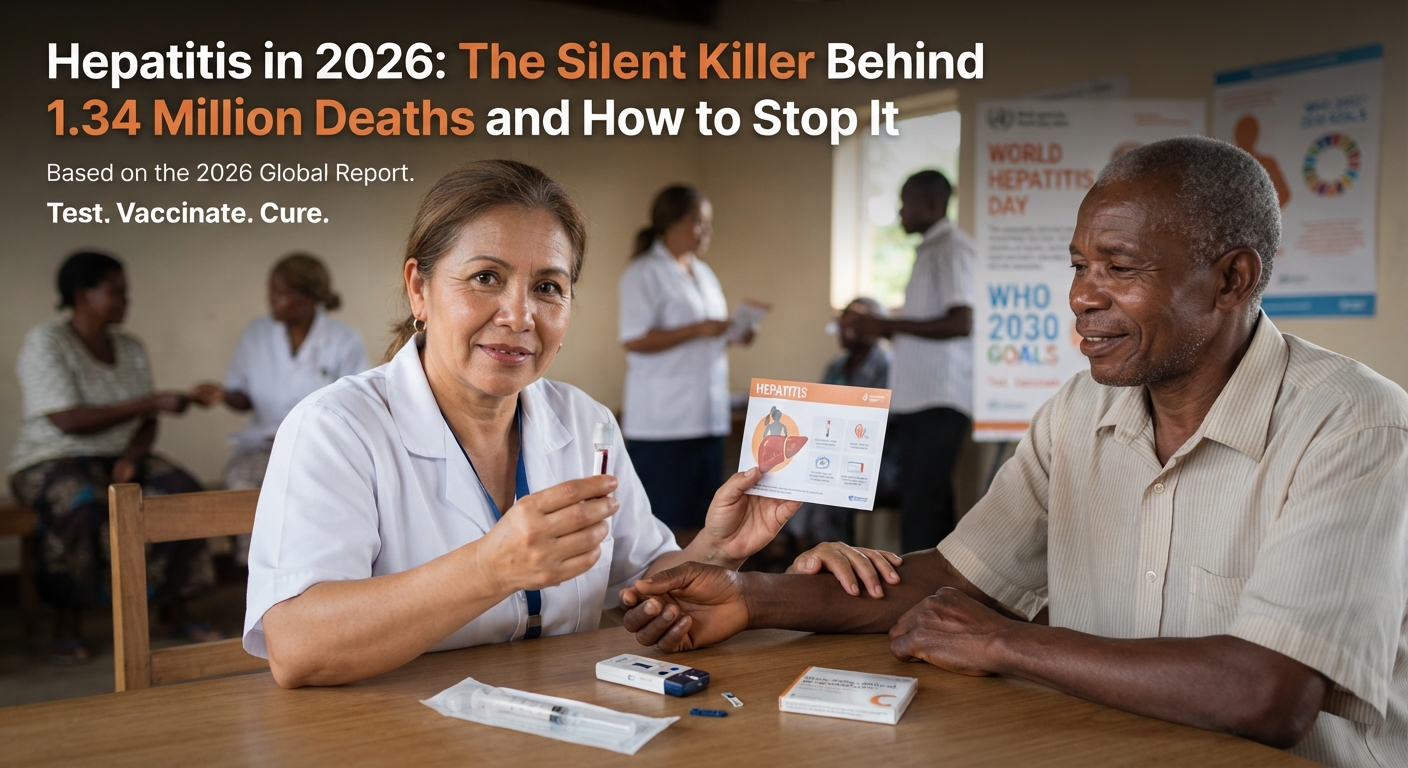
Every single day, more than 4,900 people around the world pick up a liver infection that many of them will never notice. Years later, some will find out the hard way, through liver scarring, liver cancer or liver failure.
That is the quiet reality of hepatitis. In 2024, the two most dangerous forms, hepatitis B and hepatitis C, claimed an estimated 1.34 million lives, according to the latest global report from the World Health Organization.
Here is the part that should make us angry. Most of those deaths were preventable. We have a vaccine for one virus and a cure for another. What we are missing is awareness, testing and access.
So grab a cup of tea and stay with me. In this blog, we will look at what this disease really is, how it spreads, the warning signs people overlook, and the simple steps that can protect you and your family.
Meet Your Liver: The Hardest Worker You Never Thank
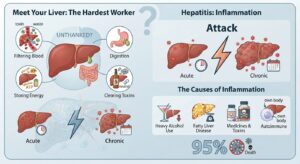
Your liver is a busy organ. It filters your blood, helps digest food, stores energy and clears out toxins. It also rarely complains until the damage is advanced, which is exactly why liver disease is so sneaky.
Hepatitis simply means inflammation of the liver. Think of it as the liver being under attack and swollen. When it lasts only a few weeks, doctors call it acute. When it lasts longer than six months, it is called chronic.
Most cases come from viruses, but not all of them. Other causes include:
- Heavy alcohol use over a long time
- Fatty liver disease linked to excess weight and diabetes
- Certain medicines and toxins
- Autoimmune conditions, where the body attacks its own liver
This blog focuses mainly on viral types, because hepatitis B and C alone are responsible for around 95% of hepatitis related deaths worldwide.
Five Viruses, Five Very Different Personalities
There are five main viruses, named A to E. They may look alike on a lab report, but they behave very differently.
- Hepatitis A: Spreads through contaminated food and water. It is usually short term and does not become chronic. A vaccine exists.
- Hepatitis B: Spreads through blood, body fluids and from mother to baby during birth. It can become chronic and lead to cirrhosis or liver cancer. A vaccine exists.
- Hepatitis C: Spreads mainly through blood. It is often silent for years. There is no vaccine, but it can be cured.
- Hepatitis D: Only affects people who already have type B, and it can make that infection more severe.
- Hepatitis E: Spreads through contaminated water, much like type A. It usually clears on its own but can be dangerous during pregnancy.
In simple words, A and E come from what we eat and drink. B, C and D come from blood and body fluids.
Not Every Case Comes From a Virus: The Alcohol and Fatty Liver Story
Viral infections get most of the attention, but they are not the only villains. Hepatitis can also develop when the liver is overloaded by things we do to ourselves.
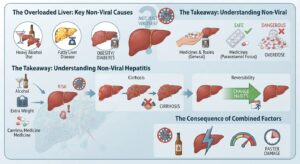
Long term heavy drinking inflames the liver and, over time, can lead to scarring. Fatty liver disease, which is increasingly common alongside obesity and diabetes, can also cause inflammation. Some medicines, when taken in excess or without medical advice, can injure the liver as well. Even a common painkiller like paracetamol is safe at the recommended dose but dangerous in overdose.
The takeaway is simple:
- Alcohol, extra weight and careless medicine use all put the liver at risk, even when no virus is involved
- These forms of hepatitis are not contagious, but they can still lead to cirrhosis
- Many of them can be improved in the early stages by changing daily habits
If someone has a viral infection and also drinks heavily, the damage can move much faster, so honest talk with a doctor is essential.
Why Silence Is the Most Dangerous Symptom
Many people with a chronic infection feel perfectly fine for years, sometimes for decades. They go to work, raise children and plan holidays while the virus slowly scars the liver.
When symptoms do appear, they may include:
- Constant tiredness that rest does not fix
- Yellow skin and yellow eyes, known as jaundice
- Dark urine and pale stools
- Pain or swelling in the upper right side of the belly
- Nausea, vomiting and loss of appetite
- Low fever and itchy skin
These signs can come from many other problems, so only a blood test can confirm the cause. Please do not wait for jaundice. By then, the infection may already have done serious harm.
Reading the 2026 Report: The Numbers Behind the Headlines
The World Health Organization released its Global Hepatitis Report in April 2026, and the findings are both sobering and hopeful. Here is what stands out:
- 1.34 million people died from hepatitis B and C in 2024
- About 287 million people were living with chronic B or C infection
- More than 1.8 million new infections happen every year
- Of the roughly 240 million people living with chronic type B, fewer than 5% were getting treatment
- Only about 20% of people with type C have been treated since 2015
The full report is available on the official WHO website: https://www.who.int/publications/i/item/9789240122383
There is genuine progress too. Since 2015, new type B infections have dropped by 32%, and deaths linked to type C have fallen by 12%. That proves the tools work. They just need to reach more people.
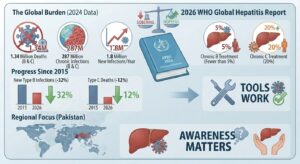
Our region deserves attention as well. WHO names Pakistan among the countries carrying a heavy share of the global hepatitis C burden, so awareness here truly matters.
How It Spreads: Facts That Might Surprise You
Understanding the routes of infection is the first step to blocking them. Hepatitis B and C can spread through:
- Reused or unsterilised syringes and needles
- Blood transfusions that were not properly screened
- Unclean tools used for dental work, tattoos, piercings or shaving
- Shared razors or toothbrushes
- Unprotected sex, especially for type B
- Mother to baby during birth, especially for type B
Now the reassuring part. These two types do not spread through hugging, shaking hands, sharing a meal, coughing or sneezing. A person with the infection can safely live with their family and attend school or work.
Who Needs to Be Extra Careful?
Anyone can be infected, but some groups face a higher risk. These include:
- Babies born to infected mothers
- Healthcare workers who handle needles and blood
- People who need frequent blood transfusions or long term dialysis
- People who inject drugs
- Family members living with someone who has chronic type B
- Travellers visiting places with poor water and sanitation
If you belong to any of these groups, a simple screening test is worth your time.
One Blood Test That Could Save Your Life
Testing is easier than most people imagine. A small blood sample is usually enough.
For type B, doctors look for specific markers of the virus in the blood. For type C, an antibody test comes first. If it is positive, a second test checks whether the virus is still active in the body.
Consider getting tested if:
- You had injections, surgery or transfusions in a place with weak safety standards
- A close family member has been diagnosed
- You are pregnant
- You work in healthcare
- You have unexplained tiredness or abnormal liver test results
- You have simply never been tested
There is no shame in a test. The shame would be in finding out too late.
Beyond the Blood Test: What Your Doctor May Check Next
A positive result is not the end of the road. It is the start of a plan. Your doctor will usually want to know how much damage, if any, the liver has already taken. Every person with hepatitis is different, so the plan is tailored to the individual.
Common next steps include:
- Liver function tests, which show how stressed the liver is
- An ultrasound, a painless scan that checks the size and texture of the liver
- Elastography, a special scan that measures liver stiffness, which hints at scarring
- A tiny tissue sample, called a biopsy, only in selected cases
These results help decide whether treatment is needed right away or whether careful monitoring is enough. Many people leave these appointments surprised at how calm and manageable the plan feels.
Hepatitis C: The Infection With a Cure
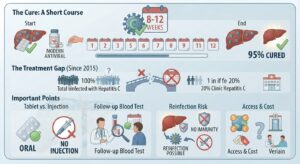
Here is a sentence that would have sounded impossible a few decades ago. A short course of modern antiviral tablets, lasting 8 to 12 weeks, can cure more than 95% of hepatitis C infections.
Think about that. A condition that once meant years of worry can now be cleared in a few months. Yet only about one in five people with the infection has received treatment since the cure became available in 2015.
Some important points to remember:
- Treatment is taken by mouth, not by injection
- Doctors confirm the cure with a follow up blood test
- Being cured does not make you immune, so reinfection is possible if exposure continues
- Prices and access differ from place to place, so ask a qualified doctor about options near you
Hepatitis B: Manageable, Not Magical
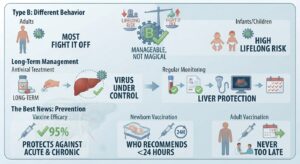
Type B behaves differently. Most healthy adults who catch it fight it off, but infants and young children are far more likely to develop a lifelong infection.
Long term antiviral treatment can keep the virus under control and protect the liver from severe damage. It usually does not remove the virus completely, so regular monitoring with blood tests and ultrasound is part of life.
The best news is prevention. The vaccine protects more than 95% of the people who receive it against both acute and chronic infection. WHO recommends that newborns get their first dose within 24 hours of birth.
If you are an adult who was never vaccinated, ask your doctor. It is never too late to protect yourself.
Clean Water, Clean Hands: Beating Types A and E
These two viruses travel through the fecal oral route, which simply means tiny traces of infected stool end up in food or drink. Outbreaks often appear when water supply and sanitation fail, such as after floods or in crowded camps.
Simple habits make a huge difference:
- Drink boiled, filtered or properly treated water
- Wash your hands with soap after using the toilet and before eating
- Wash fruits and vegetables well and cook food thoroughly
- Be careful with raw or undercooked street food during outbreaks
- Ask your doctor about the type A vaccine, especially for children and travellers
Most people recover fully from both types with rest, fluids and good nutrition. Pregnant women, however, should seek medical care early, because type E can become severe during pregnancy.
When the Liver Cries for Help: Cirrhosis, Cancer and Failure
If a chronic infection goes untreated, the liver keeps trying to repair itself, and repair means scarring. Over many years, this scarring can harden the liver, a condition called cirrhosis.
A scarred liver struggles to do its job. It also faces a higher risk of liver cancer. In the worst cases, it fails completely, and a transplant may be the only option.
Warning signs of advanced liver disease include:
- A swollen belly from fluid buildup
- Vomiting blood or passing black stools
- Confusion or unusual sleepiness
- Swollen legs and very yellow skin
These need urgent medical attention. The encouraging news is that early diagnosis and treatment can prevent most of this suffering.
What to Put on Your Plate: Liver-Friendly Eating
There is no magic detox food, and no diet can cure hepatitis. But the right plate can ease the load on a liver that is already working hard.
- Fill half your plate with vegetables and fruits
- Choose whole grains such as brown rice, oats and whole wheat bread
- Pick lean protein like pulses, fish, eggs and chicken
- Cut back on sugary drinks, fried food and heavy processed snacks
- Drink plenty of clean water
- Skip raw or undercooked shellfish
If someone has advanced liver disease, the doctor may give specific advice about salt and protein, so that guidance should always come first. Small, steady changes work better than crash diets, and miracle supplements are best avoided.
Your Everyday Shield: Habits That Protect
Prevention does not need fancy tools. It needs a few smart habits:
- Get vaccinated against types A and B
- Never share razors, toothbrushes or nail clippers
- Insist on a fresh, sealed syringe every time you receive an injection
- Choose clinics, dentists and barbers that sterilise their tools
- Practise safe sex
- Limit alcohol, which can speed up liver damage
- Keep a healthy weight to protect your liver from fat buildup
A good rule is simple. Whenever a needle or blade is about to touch your skin, ask yourself whether it is new or properly sterilised. That question can protect your liver for life.
Protecting the Smallest Patients: Pregnancy and Newborns
Type B can pass from mother to baby during birth, and babies who catch it early are most likely to carry it for life. The good news is that this chain can be broken.
- Pregnant women should be screened
- Newborns of infected mothers should get the vaccine within 24 hours of birth
- In some cases, doctors give extra protection or antiviral medicine to the mother
- The baby should complete the full vaccine schedule on time
With these steps, most babies can be protected. This is one of the most powerful and low cost ways to end the disease for the next generation.
Hepatitis in Children: Small Bodies, Big Stakes
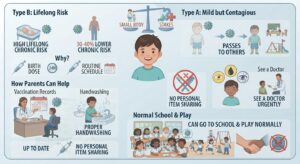
Children deserve special attention. Infants who catch type B are far more likely to carry the infection for life than adults who catch it later. That is why the birth dose and the routine vaccine schedule matter so much.
Hepatitis A is also common among young children, often with very mild symptoms, yet they can still pass it on to others.
Parents can help by:
- Keeping vaccination records up to date
- Teaching children to wash their hands properly
- Never sharing personal items like toothbrushes
- Seeing a doctor if a child has yellow eyes, dark urine or unusual tiredness
A child living with chronic hepatitis can usually go to school and play normally. Teachers and classmates do not need to fear everyday contact.
Living With a Diagnosis: You Are Not Alone
Hearing the words chronic infection can feel like a heavy blow. But many people live long, active and productive lives with proper care.
- Follow your doctor’s plan and never skip appointments
- Get regular blood tests and liver scans
- Avoid alcohol completely unless your doctor says otherwise
- Check with your doctor before using herbal products or painkillers, because some can harm the liver
- Eat balanced meals and stay active
- Talk to someone you trust, because emotional health matters too
A diagnosis is not a character flaw. It is a medical condition, and it deserves the same kindness as any other illness.
Myths That Need to Retire Today
Misinformation spreads faster than any virus. Let us fix a few common ones:
- Myth: Yellow eyes always mean this infection. Fact: Jaundice has many causes, and only tests can tell.
- Myth: Home or herbal remedies can cure it. Fact: Only proven medicines under medical care work, and some herbal products can even damage the liver.
- Myth: Type C cannot be cured. Fact: Modern treatment cures most people.
- Myth: The type B vaccine protects against every kind. Fact: It protects against type B and also type D, but not A, C or E.
- Myth: Only people with risky habits get infected. Fact: Anyone can, through unsafe medical procedures or from mother to baby.
Can the World Really Beat It by 2030?
WHO has set a goal to eliminate viral hepatitis as a public health threat by 2030. The latest report says current progress is too slow and uneven, yet it also points out that some countries, including Egypt, Georgia and Rwanda, have shown that big gains are possible.
What does the world need to do?
- Test far more people, especially in high burden countries
- Make treatment affordable and available close to home
- Vaccinate every newborn at birth
- Make injections and blood supplies safe everywhere
- Fight stigma so that people come forward early
World Hepatitis Day is observed every year on 28 July, a perfect reminder to check your own status and encourage others to do the same.
Final Words: Test, Vaccinate, Share
So here is the big picture. Hepatitis is a silent killer, but it is not an unbeatable one. We have a vaccine that works, a cure that works and a clear plan to stop new infections.
What can you do this week?
- Book a screening test if you have never had one
- Make sure your children and family are vaccinated
- Share this information with one person who needs it
Remember, every missed hepatitis diagnosis is a preventable loss. Be the person in your family who asks the question, takes the test and starts the conversation.
This article is for awareness only and is not a substitute for advice from a qualified doctor.



