
Some mornings you wake up feeling unstoppable. Other mornings, one sniffle turns into three sick days and a mountain of tissues on your nightstand. The difference often comes down to something simple: how well you’re feeding your immunity.
Your immune system isn’t a switch you flip on when you feel a cold coming. It’s a living, breathing network that works around the clock, and it runs on the fuel you give it. Skip the right nutrients for too long, and your immunity starts running on empty.
The good news? You don’t need fancy supplements or expensive superfood powders to build stronger immunity. Some of the most powerful immune boosters are already sitting in your local grocery store, waiting to be picked up.
In this post, we’re breaking down six foods that genuinely move the needle for immunity, backed by real nutrition science, not internet myths.
Why Immunity Deserves More Attention Than You’re Giving It
Most people only think about immunity when they’re already sick. That’s backwards.
Immunity is a daily investment, not an emergency fund. Your body is constantly fighting off invisible threats like bacteria, viruses, and toxins. When your immunity is strong, you barely notice the fight happening. When it’s weak, everything hits harder and lasts longer.
A few habits quietly wreck immunity over time:
- Chronic stress that floods your body with cortisol
- Poor sleep that robs your immune cells of recovery time
- Diets low in fruits, vegetables, and whole foods
- Excess sugar and processed food intake
- Dehydration
Food is one of the few levers you can pull every single day. Let’s get into the six foods that make the biggest difference.
1. Citrus Fruits: The Classic Immunity Powerhouse
Oranges, lemons, grapefruits, and limes have earned their reputation for a reason. They’re loaded with vitamin C, one of the most researched nutrients when it comes to immunity.
Vitamin C doesn’t just sit around looking helpful. It actively supports the cells that fight infection, including neutrophils and lymphocytes, and it also acts as an antioxidant that protects your cells from damage.
Here’s something interesting though. According to the National Institutes of Health, vitamin C contributes to immune defense by supporting various cellular functions of both the innate and adaptive immune system (NIH Office of Dietary Supplements, ods.od.nih.gov/factsheets/VitaminC-HealthProfessional). nih
That single line explains why citrus fruits show up in nearly every conversation about immunity.

Easy ways to add more citrus to your day:
- Squeeze fresh lemon into your morning water
- Snack on orange segments instead of chips
- Add grapefruit to your breakfast rotation
- Use lime juice to brighten up salads and soups
Your body can’t store vitamin C for long, since it’s water soluble. That means consistent daily intake matters far more than one giant dose during flu season.
2. Garlic: Small Clove, Big Immunity Boost
Garlic has been used for thousands of years, not just for flavor but for its health benefits. Ancient civilizations, including the Egyptians and Greeks, used garlic to support strength and fight illness long before modern science could explain why.
The secret lies in a compound called allicin, which forms when garlic is crushed or chopped. Allicin has natural antimicrobial properties that can help your body fend off certain bacteria and viruses.
Regular garlic eaters often report fewer colds, and some studies suggest garlic may help reduce the severity of common illnesses when they do strike.

A few tips to get the most immunity benefit from garlic:
- Chop or crush it and let it sit for 10 minutes before cooking. This activates allicin.
- Avoid overcooking garlic, since high heat can destroy some of its beneficial compounds.
- Add raw garlic to dressings or dips for maximum potency.
It’s pungent, sure. But your immunity doesn’t care about your breath.
3. Yogurt: Feeding the Gut That Feeds Your Immunity
Here’s a fact that surprises a lot of people. A huge portion of your immune system actually lives in your gut.
That’s where probiotic-rich foods like yogurt come in. Yogurt contains live, beneficial bacteria that help balance your gut microbiome. A healthy gut microbiome plays a direct role in training and regulating your immune responses.
When your gut bacteria are out of balance, your immunity often suffers along with it. Bloating, fatigue, and frequent illness can sometimes trace back to poor gut health.

What to look for when choosing yogurt:
- Labels that say “live and active cultures”
- Low added sugar
- Plain varieties over heavily sweetened ones
- Greek yogurt for an added protein boost
If you’re not a yogurt person, other fermented foods like kefir, sauerkraut, and kimchi offer similar gut and immunity benefits.
4. Ginger: Nature’s Anti-Inflammatory Root
Ginger isn’t just for settling an upset stomach. This spicy root has a long history in traditional medicine for supporting immunity, and modern research is starting to back that up.
Ginger contains compounds called gingerols, which have anti-inflammatory and antioxidant effects. Chronic inflammation is quietly linked to a weakened immune response, so foods that help calm inflammation indirectly support stronger immunity.
Ginger is also known to help ease nausea and support digestion, which matters more than people realize. When your digestive system is under stress, it can pull resources away from immune function.

Ways to work more ginger into your routine:
- Fresh ginger tea in the morning
- Grated ginger in stir-fries
- A small piece added to smoothies
- Ginger shots for a quick, concentrated dose
Start small if you’re new to ginger. A little goes a long way, both in flavor and in effect.
5. Spinach: The Quiet Immunity Multivitamin
Popeye wasn’t entirely wrong. Spinach is one of the most nutrient-dense leafy greens you can eat, and it happens to be packed with several nutrients your immunity relies on.
Spinach delivers vitamin C, vitamin A, and antioxidants like beta-carotene, all working together to support your body’s natural defenses. Vitamin A in particular plays a key role in maintaining the health of your skin and mucous membranes, which act as your body’s first physical barrier against germs.
Cooking spinach lightly can actually help your body absorb more of certain nutrients, though eating it raw preserves more vitamin C.
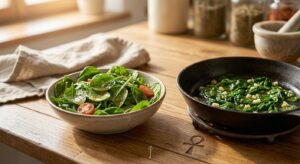
Simple ways to eat more spinach:
- Blend a handful into your morning smoothie
- Sauté with garlic (double immunity boost)
- Add to omelets or scrambled eggs
- Toss into soups right before serving
It’s mild in flavor, which makes it one of the easiest vegetables to sneak into almost any meal without anyone noticing.
6. Almonds: Small Nut, Serious Immunity Support
Almonds are often praised for heart health, but they deserve credit for immunity too. They’re one of the richest natural sources of vitamin E, a fat-soluble antioxidant that helps protect your cells from damage.
Vitamin E works differently from vitamin C. Instead of directly fighting pathogens, it helps regulate and support immune cell function, particularly as we age. Research suggests that vitamin E deficiency can impair immune response, especially in older adults.
Almonds also provide healthy fats and a bit of protein, making them a satisfying snack that keeps you full while quietly supporting your immunity.

A few easy habits to try:
- Keep a small handful of raw almonds at your desk for snacking
- Add sliced almonds to salads or oatmeal
- Choose almond butter over sugary spreads
- Soak almonds overnight for easier digestion
Moderation matters here since almonds are calorie-dense, but a small daily serving goes a long way for immunity.
Putting It All Together
None of these foods work like a magic pill. Immunity doesn’t improve overnight because you ate one orange or one clove of garlic. It’s the pattern over weeks and months that actually matters.
Think of your immunity like a savings account. Every meal is either a deposit or a withdrawal. Citrus, garlic, yogurt, ginger, spinach, and almonds are consistent deposits.
Here’s a simple way to bring it all together in one day:
- Morning: Lemon water plus a spinach and berry smoothie
- Lunch: A salad with almonds, citrus segments, and a garlic-based dressing
- Snack: Plain yogurt with a drizzle of honey
- Dinner: Stir-fried vegetables with fresh ginger and garlic
Small, repeatable habits like this build real, lasting immunity over time.
Final Thoughts
Strong immunity isn’t about chasing trends or spending money on the latest supplement everyone’s talking about online. It’s about showing up for your body consistently with real, whole foods that actually do something.
Citrus fruits, garlic, yogurt, ginger, spinach, and almonds each bring something different to the table, and together they create a well-rounded foundation for lasting immunity.
Your immune system is working hard for you every single day, often without you even noticing. The least you can do is feed it well.
Start with one food from this list today. Your immunity will thank you tomorrow, next month, and every flu season after that.